· The RealXM Team · Home Buying · 6 min read
Why Your Buyer's Agent Should Give You Cashback — And What Happens to That Money If They Don't
A buyer's agent commission is built into almost every home sale. If your agent doesn't share part of it with you, it doesn't go back in your pocket — it stays with them. Here's what that money buys, why you still need an agent, and why cashback changes the equation.
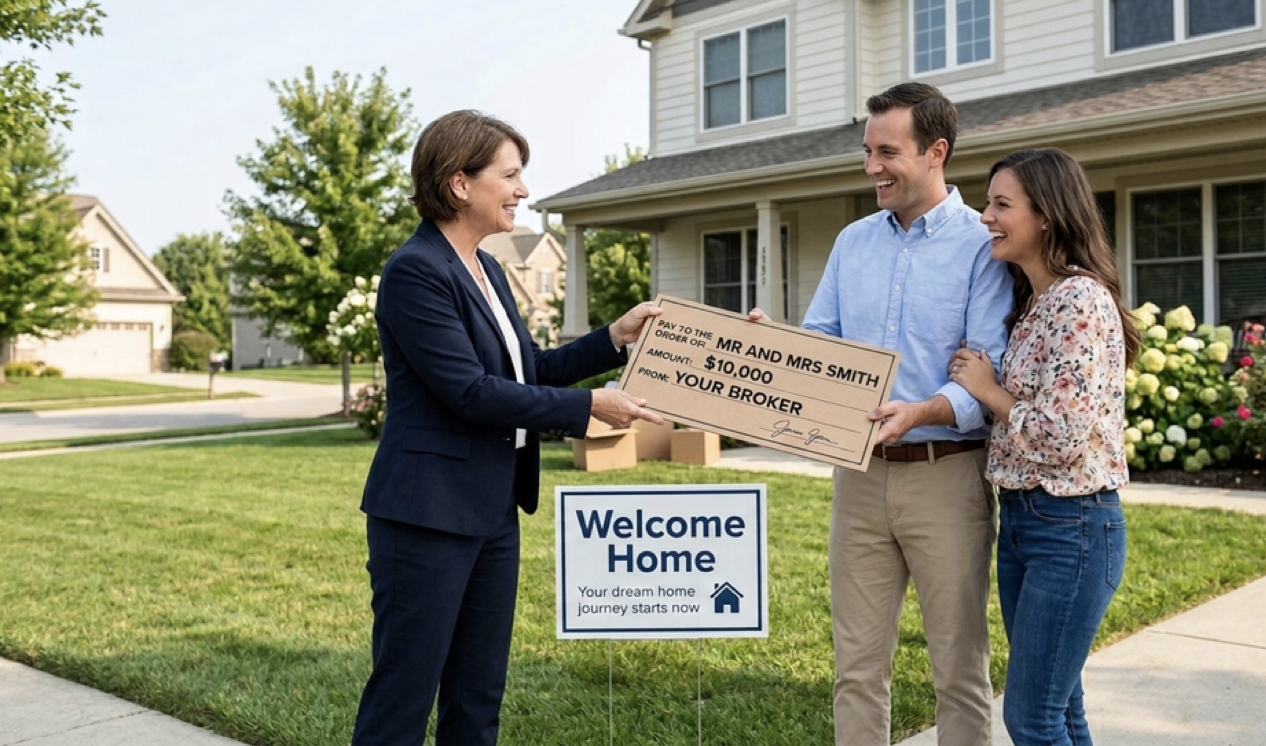
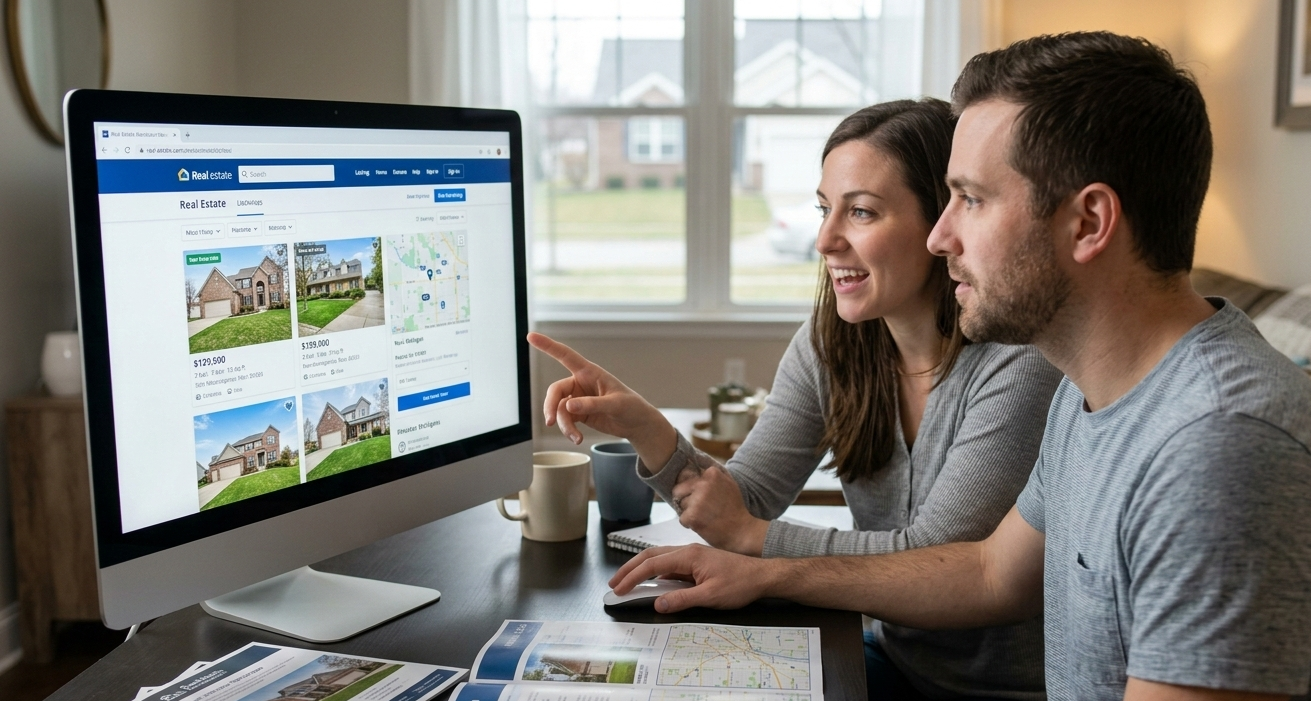
If you’re buying a home, you’ve probably already spent hours on Zillow. You know the neighborhoods you want, the price range you can handle, and you might even have a shortlist of homes you’re ready to tour. You’re informed. You’re prepared.
So why do you still need a buyer’s agent?
The honest answer might surprise you — and it also makes a compelling case for why that agent should be giving you cashback.
The Commission Is Already Baked In
In most U.S. home sales, the seller’s listing contract includes a commission for the buyer’s agent — typically 2–3% of the sale price. On a $500,000 home, that’s $10,000–$15,000.
That money is paid whether you have an agent or not.
Most listing contracts follow templates established by local Realtor associations. The standard language allows the listing agent to retain the full commission if the buyer is unrepresented. The seller doesn’t save it. You don’t negotiate it away. It simply stays with the seller’s agent.
Going without a buyer’s agent doesn’t save anyone money except the listing agent.
What a Buyer’s Agent Actually Does — Honestly
Let’s be straightforward: most of what buyer’s agents did twenty years ago — finding listings, providing market information, facilitating access — buyers now do themselves. Zillow, Redfin, and Realtor.com have made property discovery a consumer activity, not a professional one.
What remains genuinely useful is narrower than the industry often admits:
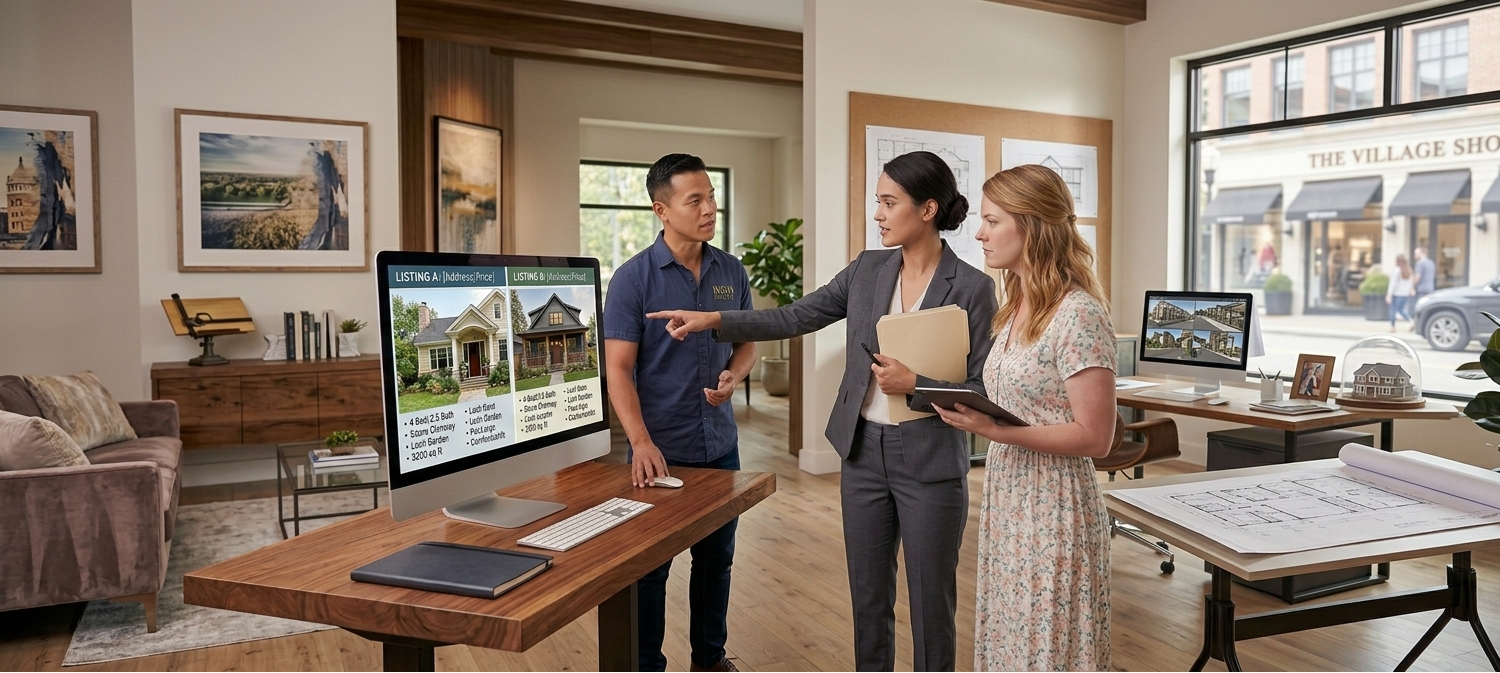
Scheduling and access. This is the most underrated friction point in modern home buying. Even when you find the home yourself, you often can’t just show up. Sellers’ agents manage showing requests through their own systems and schedules. An unrepresented buyer trying to self-schedule viewings frequently encounters delays, unanswered calls, or outright reluctance — particularly on desirable properties where the listing agent is fielding multiple requests. Having a buyer’s agent means your showing requests are taken seriously and coordinated professionally.
Writing and submitting offers. Most buyers can figure out what price they want to offer. The contract paperwork itself — contingencies, timelines, addenda, earnest money terms — is where an agent’s familiarity with standard forms saves time and reduces the chance of missing something. It’s not a skill that’s hard to replicate, but it does require access to the forms, the MLS systems, and the professional relationships to submit properly.
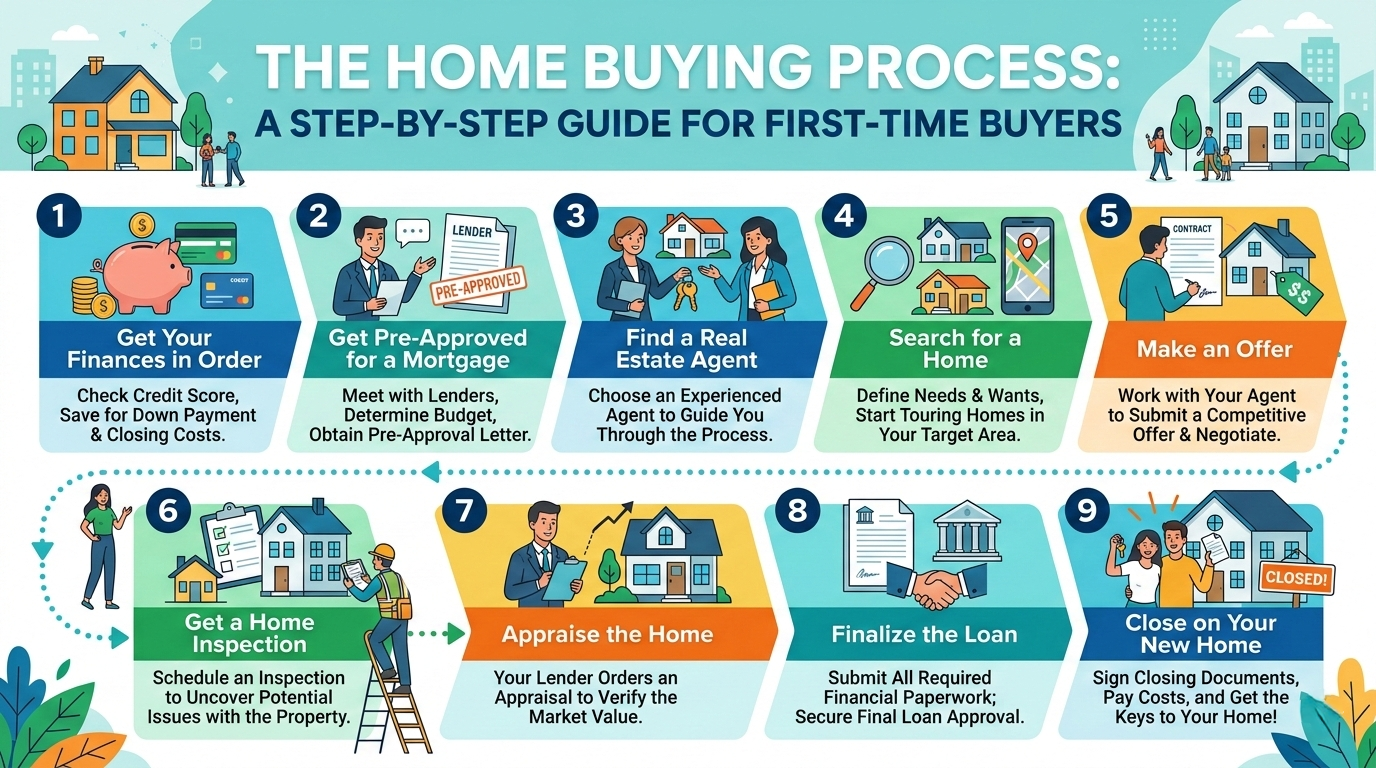
Navigating the inspection and closing process. Once you’re under contract, there are deadlines, contingency periods, inspection negotiations, lender conditions, and title review. An agent keeps the timeline on track and flags issues before they become deal-killers. This is genuinely useful — not because it’s complex, but because it’s a lot of moving parts that most people only deal with once or twice in their lives.
The Real Reason You Need an Agent: Competitive Disadvantage Without One
Here’s the more important truth that rarely gets said plainly.
When two buyers make similar offers on the same home — comparable price, comparable terms — the seller will almost always choose the represented buyer.
Not because the represented buyer did anything better. But because the seller’s agent knows what happens when an unrepresented buyer is involved: extra coordination burden, potential for the deal to fall apart over paperwork or inexperience, and liability questions that make everyone uncomfortable.
Your offer, even at the same price, is structurally weaker without representation.
In a market where homes regularly receive multiple offers, this is not a minor disadvantage. Being unrepresented in a competitive situation is like showing up to a negotiation where the other side has a professional and you don’t — even if you know exactly what you want.
This is the core reason you need a buyer’s agent. Not for insider knowledge or exclusive access to listings. Not because the process is too complex to understand. But because the system is built around agent-to-agent transactions, and stepping outside that system costs you negotiating position.
If Every Agent Gets You In the Door, Why Not Get Cashback?
Given that buyer’s agents are working from the same MLS data, using the same contract forms, and providing broadly similar transactional support — the transactional process is largely standardized regardless of who represents you.
The commission, on the other hand, is largely fixed by the listing contract regardless of how much work your agent actually does on your specific transaction.
Some buyers need extensive hand-holding. Others come in well-researched, find the home themselves, and mainly need the professional infrastructure to execute cleanly. In either case, the buyer’s agent earns the same commission.
A cashback agent simply returns part of that to you.
They’re providing the same MLS access, the same contract expertise, the same showing coordination, the same closing management. The difference is they recognize that a buyer who already found the home on Zillow and knows what they want shouldn’t be paying full freight for services they didn’t need.
The Math
On a $400,000 purchase at 1.5% cashback: $6,000 back at closing. On a $550,000 purchase: $8,250 back. On a $700,000 purchase: $10,500 back.
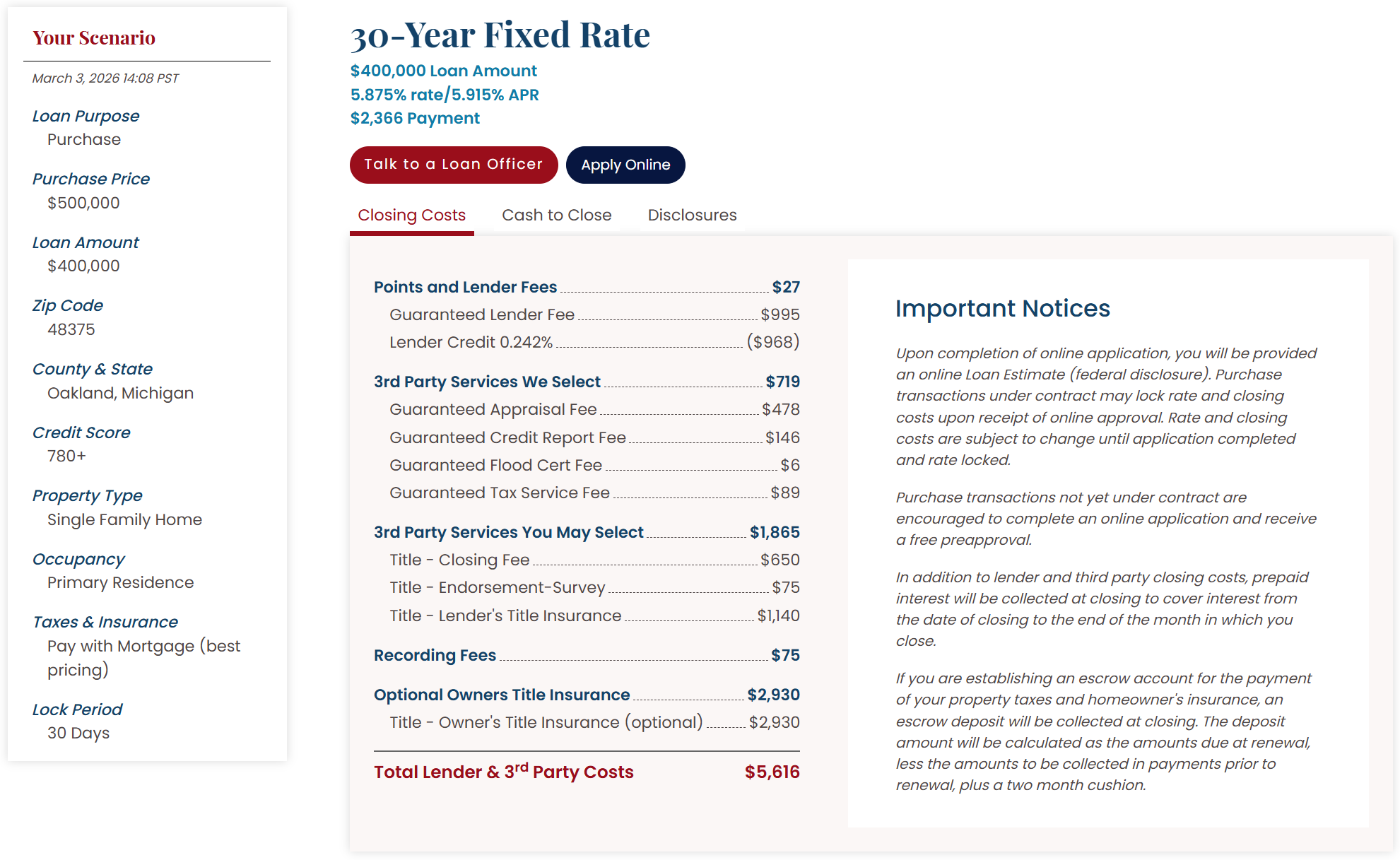
That money applies to your closing costs, reducing what you need to bring to the table at close. Depending on your loan type and state, it may also be returned as cash after closing.
You get a licensed professional handling your transaction. Your offer is treated like any other represented buyer’s offer. And you keep thousands of dollars that would otherwise remain with your agent — not because they earned it less, but because they chose not to share it.
What to Ask Before Signing with a Buyer’s Agent
- Do you offer a buyer cashback, and how much? If not, ask why. Most agents operating on the same MLS with the same forms don’t have a compelling answer.
- What is your commission, and what happens to it if I find the home myself? The answer should be the same either way.
- How do you handle scheduling for properties I identify on my own? This tells you how responsive and organized they are.
- Can you walk me through how you’d structure an offer in a competitive situation? This is where real skill shows — or doesn’t.
- What does your closing management process look like after an offer is accepted? You want someone who stays engaged through the full process, not just through the accepted offer.
The Bottom Line
You need a buyer’s agent — mostly because the system requires one to compete effectively, and because the practical friction of scheduling and closing without one is real.
But the commission your agent earns was always part of the transaction. It doesn’t disappear if you go unrepresented — it changes hands in ways that don’t benefit you. And in a market where buyer’s agents are working from the same tools, the same forms, and the same platforms, the most meaningful thing one can do differently is share part of that commission with you.
Find a cashback buyer’s agent through RealXM and see exactly what you’d receive back — before you commit to anything.